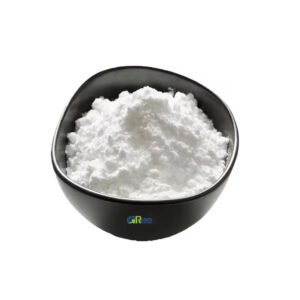
(abbreviated as TAA) is an organic compound with significant applications in the fields of chemical engineering and medicine. Its chemical name is 2,2,6, 6-tetramethyl-4-piperidone, with CAS 826-36-8. Triacetonamine appears as a white or light yellow powder. Now let’s take a closer look at triacetonamine TAA.
Physical properties
Appearance and condition: 2,2,6, 6-tetramethyl-4-piperidone is a white to light yellow crystalline powder at room temperature (it is close to white when the purity is high, and may turn light yellow when the purity decreases or it gets damp).
Melting point and boiling point: The melting point is approximately 35-43℃ (with slight fluctuations depending on purity; the melting point of pure product is close to 43℃), and the boiling point is about 205℃ (under normal pressure). When heated above the melting point, triacetonamine TAA can melt into a light yellow liquid.
Solubility: Triacetonamine has excellent compatibility with both polar and non-polar solvents. Triacetonamine TAA is soluble in common solvents such as water, acetone, ethanol, ether, and chloroform, but insoluble in weakly polar solvents like petroleum ether. Its solubility makes it convenient for subsequent chemical reactions and purification.
Stability: Stable under normal temperature and pressure. Avoid contact with strong oxidants and strong reductants (such as lithium aluminum hydride). Store in a sealed container to prevent moisture absorption and caking.
Core purpose
1. The key parent body of hindered amine light stabilizers (HALS)
This is the main use of 2,2,6, 6-tetramethyl-4-piperidone. Hindered amine light stabilizers are commonly used anti-aging additives in polymer materials such as plastics, coatings, and rubber. They can effectively inhibit the degradation of materials caused by ultraviolet radiation (such as brittleness, discoloration, and performance decline).
Using triacetonamine as the raw material, a series of HALS intermediates and finished products can be synthesized through reactions such as reduction (converting ketone groups to hydroxyl groups), alkylation, and oxidation, for example:
Tetramethylpiperidol (the basic intermediate of hindered amine light stabilizers);
Pentamethylpiperidol (used in the synthesis of light stabilizer 770, stabilizer 944, etc.);
Finished products such as light stabilizer 292 and stabilizer 144 are widely used in fields like polyethylene, polypropylene, and polyurethane coatings.

2. Pharmaceutical intermediates
In the medical field, the piperidine ring structure of triacetonamine is a key fragment of many drug molecules and is mainly used to synthesize compounds with specific physiological activities. For example, anti-arrhythmic drugs, etc.
Triacetonamine is an important intermediate connecting basic chemicals with polymer materials and the pharmaceutical field. Its structural characteristics determine its irreplaceability in the synthesis of anti-aging additives and specific drugs.
Safety and storage precautions
Health impact: At normal temperature, dust or vapor has a slight irritant effect on the skin and eyes. Long-term or excessive exposure may cause discomfort (such as dry skin and red and swollen eyes). It is not explicitly highly toxic or strongly corrosive, but it is necessary to avoid accidental ingestion or inhalation of large amounts of dust.
Operation suggestion: Wear a dust mask, chemical protective glasses and nitrile gloves during operation to avoid direct contact. If it accidentally comes into contact with the skin, rinse immediately with clean water. If it gets into the eyes, rinse with plenty of normal saline and seek medical attention.
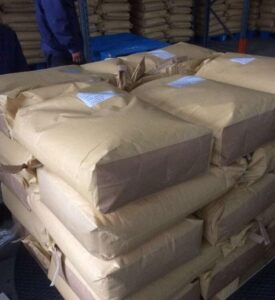
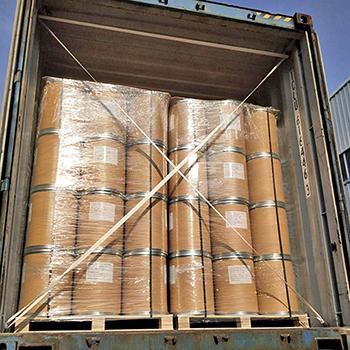
Storage conditions: Triacetonamine CAS 826-36-8 should be sealed and stored in a cool and dry place (temperature below 30℃), away from fire sources, heat sources and strong oxidizing substances. Avoid storing it together with food, medicine, etc. to prevent cross-contamination.
Development prospects
The application fields are constantly expanding: Triacetonamine, as an important organic synthesis intermediate, is widely used in the fields of medicine, pesticides, dyes and fragrances, etc. With the development of medicinal chemistry and fine chemicals, the application scope of triacetonamine in the synthesis of new drug molecules and high-performance materials will be further expanded, thereby driving the growth of market demand.

The development of the polymer materials industry: 2,2,6, 6-tetramethyl-4-piperidone is a key raw material for the synthesis of hindered amine light stabilizers, and light stabilizers are widely used in polymer materials such as plastics, coatings, and rubber. With the steady growth of the global economy and the continuous expansion of material application fields, the demand for polymer materials is strong, which will bring broad development space to the market of tetramethylpiperidone.
The production process is constantly improving: Currently, the production technology of triacetonamine TAA has become mature. In the future, with the in-depth implementation of the principle of green chemistry, the production process will be continuously improved, using more environmentally friendly catalysts and solvents to reduce the generation of by-products. This will help lower production costs, improve product quality, and enhance market competitiveness.
We are a professional manufacturer of triacetonamine TAA. If you have any needs, please feel free to contact us. We look forward to cooperating with you.